

Why You’ll Love Homemade Pistachio Paste
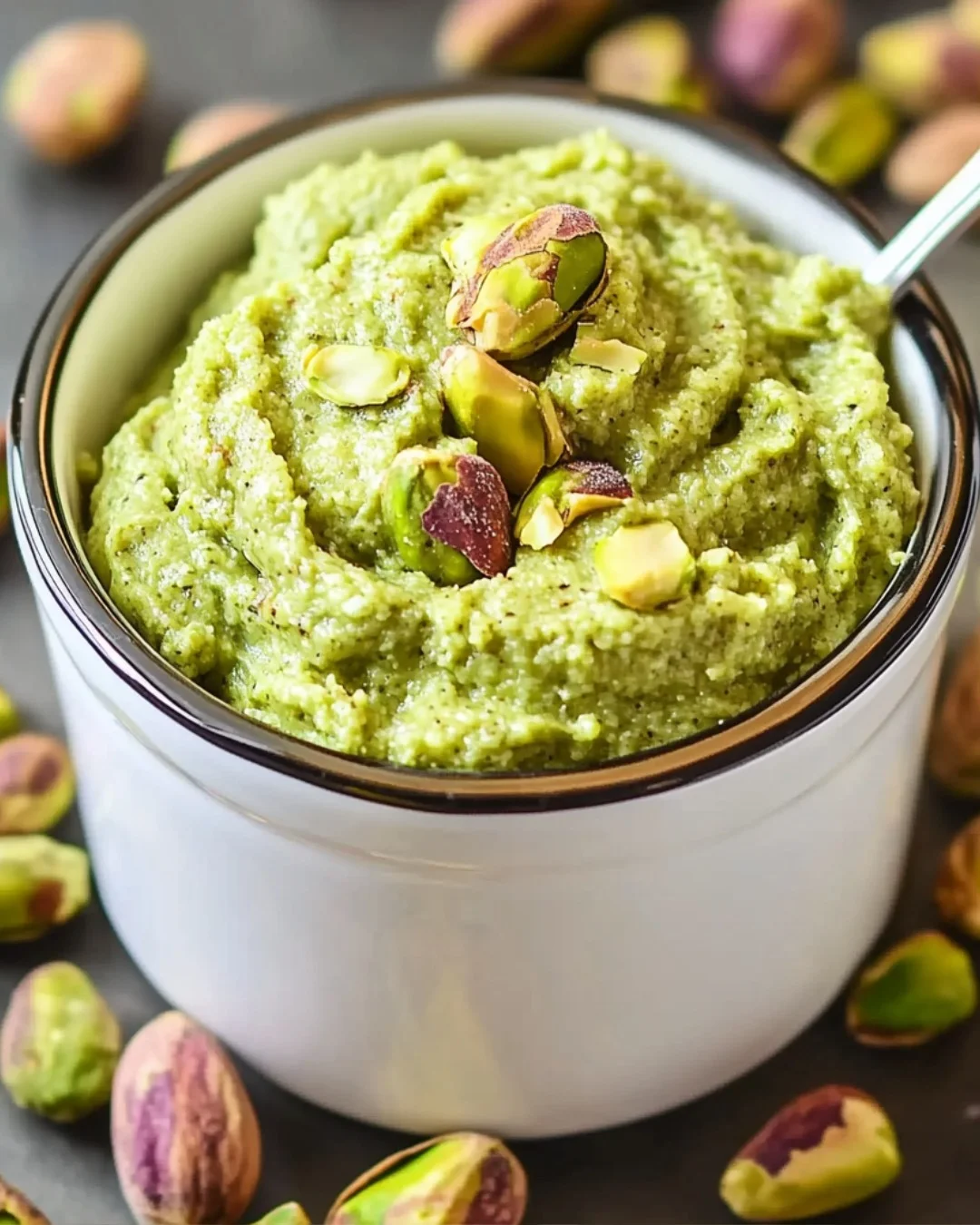
Imagine opening a jar of smooth, creamy pistachio paste, its nutty aroma filling the air. Whether you’re spreading it on toast, using it in desserts, or incorporating it into savory dishes, this homemade nut butter is a game-changer. Store-bought versions can be expensive and often contain additives, but making your own allows you to control the ingredients and enhance the natural flavor.
Pistachios are packed with nutrients, and transforming them into a silky paste brings out their deep, roasted essence. With just a few simple ingredients, you can create a rich, customizable spread that’s both delicious and nutritious. Let’s dive into everything you need to know about making, storing, and using pistachio paste at home.
Ingredients for Pistachio Paste
Each ingredient plays an important role in the texture and flavor of your pistachio paste. Here’s what you’ll need:
| Ingredient | Quantity | Purpose |
|---|---|---|
| Unsalted pistachios | 1 cup (shelled) | Base ingredient, provides nutty flavor |
| Powdered sugar (optional) | 1/4 cup | Adds sweetness (optional) |
| Neutral oil (grapeseed or canola) | 1-2 tbsp | Helps achieve a smooth consistency |
| Almond extract (optional) | 1/2 tsp | Enhances nutty flavor |
Step-by-Step Guide to Making Pistachio Paste
1. Preparing the Pistachios
- If using raw pistachios, lightly toast them in the oven at 325°F (165°C) for 8-10 minutes to enhance their flavor. Let them cool.
- For a smoother paste, remove the skins by rubbing the nuts in a clean kitchen towel after toasting. This step is optional but helps achieve a more vibrant green color.
2. Blending the Ingredients
- Add the shelled pistachios to a high-speed blender or food processor and pulse until they form a coarse crumb.
- If using powdered sugar, add it now and continue blending.
3. Adding Oil for Smoothness
- Slowly drizzle in 1 tablespoon of neutral oil while blending.
- Continue processing, stopping occasionally to scrape down the sides. Add more oil if needed for a creamier texture.
4. Enhancing the Flavor
- If desired, add ½ teaspoon of almond extract to intensify the nutty flavor.
- Blend again until the paste reaches your preferred consistency.
5. Storing Your Pistachio Paste
- Transfer the paste into a sterile, airtight jar and store it in the refrigerator for up to 2 weeks.
- For longer storage, freeze in small portions for up to 3 months.
Why Make Pistachio Paste at Home?
- No preservatives or additives—just pure pistachio goodness.
- Customizable—adjust the sweetness and texture to your liking.
- More affordable than store-bought versions.
- Multi-purpose—use it in desserts, sauces, or spreads.
Ways to Use Pistachio Paste
1. In Desserts
- Stir into cake batters, frostings, or pastry fillings.
- Make homemade pistachio ice cream or gelato.
- Use it as a filling for macarons, croissants, or cookies.
2. In Breakfast Recipes
- Spread on toast, pancakes, or waffles.
- Swirl into oatmeal or yogurt for added richness.
- Blend into smoothies for a nutty twist.
3. In Savory Dishes
- Mix with olive oil and lemon juice for a pistachio pesto.
- Stir into salad dressings or drizzle over roasted vegetables.
- Use as a creamy sauce for pasta or grilled meats.
Health Benefits of Pistachios
Pistachios are not just delicious—they’re also packed with nutrients!
- Rich in healthy fats, promoting heart health.
- High in protein and fiber, keeping you full longer.
- Loaded with antioxidants, supporting skin and eye health.
- Good for blood sugar control, thanks to their low glycemic index.
Nutritional Information Per Tablespoon
| Nutrient | Amount |
|---|---|
| Calories | ~90 kcal |
| Protein | 3 g |
| Fat | 8 g |
| Carbohydrates | 3 g |
| Fiber | 1 g |
| Sugar | 1 g |
(Values may vary based on ingredients used.)
Common Mistakes to Avoid
- Over-blending too soon—start slow and gradually increase speed.
- Skipping the toasting step—toasted pistachios bring out the best flavor.
- Adding too much oil—start with 1 tablespoon and add more only if needed.
- Not storing properly—use an airtight container to keep it fresh.
Frequently Asked Questions
1. Can I use salted pistachios?
Yes, but rinse and dry them before blending to reduce excess salt.
2. How long does homemade pistachio paste last?
It lasts up to 2 weeks in the refrigerator and 3 months in the freezer.
3. Can I make pistachio paste without oil?
Yes! Pistachios contain natural oils, but blending without added oil may take longer.
4. What if my paste is too thick?
Gradually add a teaspoon of oil at a time until the desired consistency is reached.
5. Can I use a regular blender?
A high-powered blender or food processor works best for a smooth paste.

6. What’s the difference between pistachio butter and pistachio paste?
Pistachio butter is made from 100% nuts, while pistachio paste may contain sugar and extract for a sweeter, more refined taste.
Final Thoughts: Try Making Pistachio Paste Today!
Making pistachio paste at home is simple, rewarding, and a great way to elevate your cooking and baking. With just a handful of ingredients, you can create a rich, nutty spread perfect for both sweet and savory dishes.